

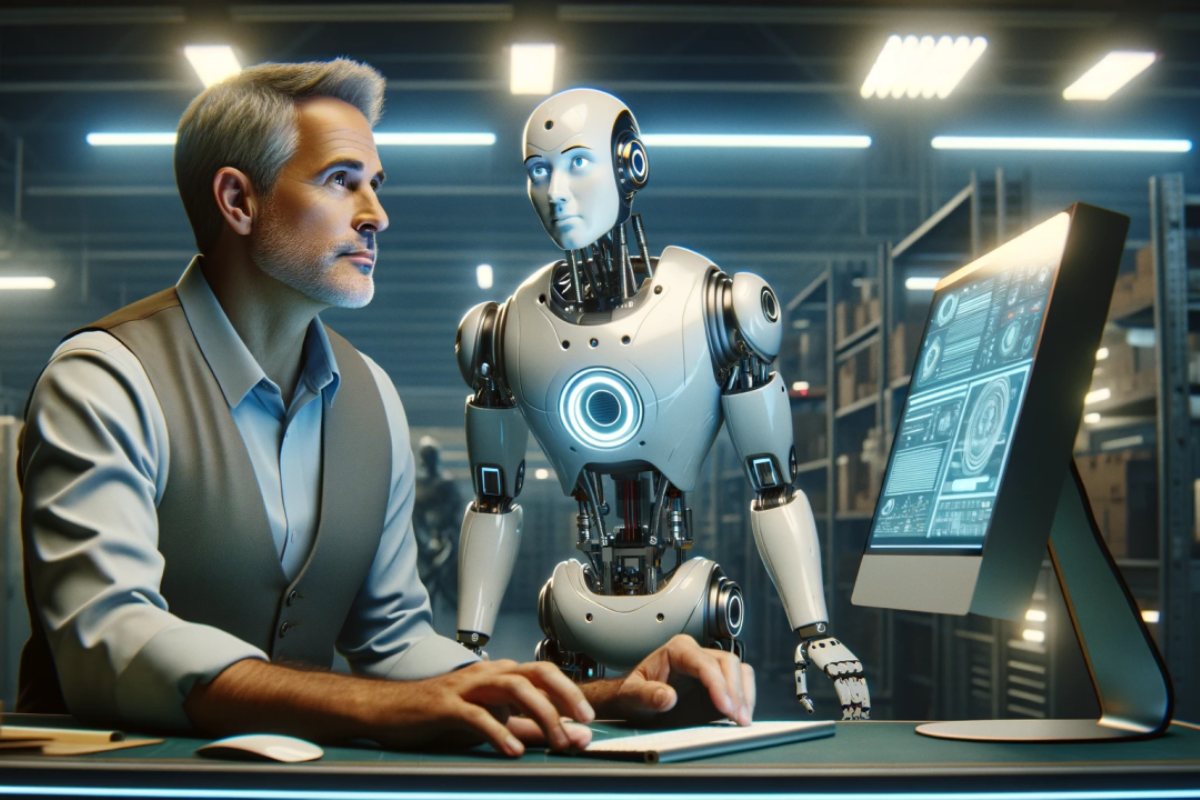
Technology is evolving faster than ever. From artificial intelligence (AI) and robotics to quantum computing and biotechnology, we’re living in a time when innovation is rewriting the rules of human existence. These advancements aren’t just changing how we work or communicate—they’re transforming society, economies, and even our understanding of what it means to be human.
Let’s take a deep dive into how AI, robotics, and other emerging technologies are shaping our world and what the future may hold.
1. The Rise of Artificial Intelligence: From Concept to Reality
Artificial Intelligence is no longer science fiction. Once an academic dream, AI now drives everything from digital assistants like Siri and Alexa to complex data-driven decisions in healthcare, finance, and logistics.
How AI Works
AI uses algorithms and machine learning models to process vast amounts of data, recognize patterns, and make predictions. Deep learning—an advanced branch of AI—enables machines to “learn” through neural networks that mimic the human brain.
AI in Everyday Life
-
Healthcare: AI diagnoses diseases faster and more accurately than traditional methods. Tools like IBM Watson assist doctors in identifying treatment options.
-
Finance: Algorithms predict market trends and detect fraudulent activities.
-
Customer Service: Chatbots powered by natural language processing (NLP) handle millions of queries daily.
-
Transportation: Self-driving cars and AI traffic management systems reduce congestion and accidents.
The Human-AI Partnership
The future lies not in AI replacing humans but in collaboration—AI handling repetitive tasks while humans focus on creativity, empathy, and innovation.
2. Robotics: The Mechanical Extension of Human Capability
Robotics is another transformative field reshaping industries and redefining human potential. From factory automation to surgical robots, machines are performing tasks once thought impossible.
Industrial Robotics
Robots have long been used in manufacturing to assemble cars, electronics, and more. Modern robotics combines AI, sensors, and IoT to create smart robots that can adapt and make decisions in real-time.
Medical Robotics
Robotic surgery systems like da Vinci Surgical System offer precision and minimal invasiveness, reducing recovery times and improving patient outcomes. Rehabilitation robots assist disabled individuals in regaining movement.
Service and Domestic Robots
Home cleaning robots, AI companions, and personal assistants are now commonplace. In Japan, robots even serve in hotels and restaurants, merging technology with hospitality.
Humanoid Robots: A New Frontier
Companies like Boston Dynamics and Tesla are developing humanoid robots capable of walking, talking, and interacting naturally. The goal? A future where robots assist humans in everyday life.
3. The Internet of Things (IoT): Connecting the World
The Internet of Things (IoT) connects devices—from smart thermostats to self-driving vehicles—allowing seamless communication and automation.
Smart Cities
IoT powers smart cities that use sensors to monitor traffic, waste management, and energy consumption. This leads to sustainable living and improved efficiency.
Smart Homes
Connected devices like Google Nest and Amazon Echo give users complete control over lighting, security, and appliances—making homes safer and more energy-efficient.
Industrial IoT
Factories use IoT to predict equipment failures, optimize production, and ensure worker safety. This convergence of automation and analytics is known as Industry 4.0.
4. Quantum Computing: The Next Leap in Processing Power
While traditional computers use bits (0s and 1s), quantum computers use qubits, enabling them to perform millions of calculations simultaneously.
Potential Applications
-
Medicine: Quantum simulations help design new drugs faster.
-
Cybersecurity: Quantum encryption could make data breaches virtually impossible.
-
Finance: Faster modeling of complex financial scenarios.
Although still in early stages, companies like IBM, Google, and Intel are racing to commercialize quantum computing. The implications could be revolutionary.
5. Biotechnology: Engineering Life Itself
Technology is now merging with biology to unlock new possibilities in health and human enhancement.
Gene Editing with CRISPR
CRISPR-Cas9 allows scientists to modify DNA with unprecedented accuracy, potentially curing genetic diseases like sickle cell anemia.
Bioengineering
Lab-grown organs and 3D bioprinting could solve organ donor shortages, while synthetic biology enables the creation of biofuels and biodegradable materials.
Human Augmentation
Wearable exoskeletons and brain-computer interfaces (BCIs) are giving humans superhuman strength and control over machines through thought alone.
6. How Technology is Transforming the Workforce
Automation and AI are reshaping the job market. While some fear job losses, the truth is more complex.
New Jobs, New Skills
Technological disruption also creates opportunities—roles like AI trainers, data analysts, cybersecurity experts, and robotics engineers are in high demand.
Remote Work Revolution
AI-driven collaboration tools like Zoom and Slack have redefined the modern workplace, making global remote work more efficient.
The Importance of Lifelong Learning
To thrive in this new era, humans must continuously learn new skills. Adaptability, creativity, and emotional intelligence will define future success.
7. Ethical and Societal Challenges
While the benefits of technology are vast, ethical concerns loom large.
AI Bias and Privacy
Algorithms can reflect human biases or misuse personal data. Ethical AI frameworks and regulations are essential for fairness and transparency.
Job Displacement
Automation could displace millions of workers if societies fail to reskill them. Governments and organizations must focus on education and inclusive growth.
Autonomous Weapons and Security
The rise of AI in warfare raises critical moral questions about accountability and control.
8. The Future: Humans and Machines in Harmony
The goal of technology is not to replace humanity but to enhance it.
Imagine a world where:
-
AI predicts natural disasters before they happen.
-
Robots perform dangerous rescue missions.
-
Quantum computers solve global warming models.
-
Biotechnology eradicates hereditary diseases.
The possibilities are limitless—but so is our responsibility to use technology ethically and sustainably.
9. Emerging Trends to Watch Beyond 2025
Metaverse and Virtual Reality
The fusion of virtual and physical realities is creating immersive digital worlds for gaming, education, and business.
Space Technology
Private companies like SpaceX and Blue Origin are making space travel more accessible, paving the way for colonization beyond Earth.
Green Technology
Sustainable innovations like renewable energy, electric vehicles, and smart grids are driving humanity toward a cleaner, greener planet.
10. Conclusion: The Dawn of a New Era
We stand on the edge of a technological revolution that will redefine every aspect of our lives. AI, robotics, biotechnology, and beyond are not merely tools—they are partners in our evolution.
The future belongs to those who embrace change, adapt to innovation, and use technology responsibly. As we move forward, our challenge will be to ensure that progress benefits all humanity—not just a few.
In the end, technology’s greatest power lies not in replacing us—but in making us more human.
FAQ
Q1. How is AI changing our daily lives?
AI is everywhere—from voice assistants like Alexa to smart recommendations on Netflix and YouTube. It makes daily tasks more efficient and helps businesses make data-driven decisions.
Q2. Will robots take over human jobs?
Robots will automate repetitive tasks, but they’ll also create new roles in AI programming, maintenance, and innovation. The key is upskilling and adapting to technological change.
Q3. What are some examples of advanced robotics today?
Examples include Boston Dynamics’ humanoid robots, Tesla’s Optimus robot, and robotic surgical systems used in hospitals.
Q4. Is quantum computing available for consumers?
Not yet. Quantum computing is still in development, but major tech companies are testing prototypes with enormous potential for the future.
Q5. What ethical challenges come with AI and robotics?
Issues like data privacy, algorithmic bias, and autonomous weapon systems must be addressed through regulations and responsible innovation.
Suggested Internal Links for SEO:
-
The Future of Artificial Intelligence in Healthcare
-
How Robotics is Revolutionizing Manufacturing
-
Understanding Quantum Computing: A Beginner’s Guide
-
The Ethics of Artificial Intelligence
Final Thoughts
The fusion of AI, robotics, and advanced technologies marks the beginning of a new human era. The question is not whether these technologies will shape the future—they already are. The real question is: Will we shape them responsibly?
